Environment
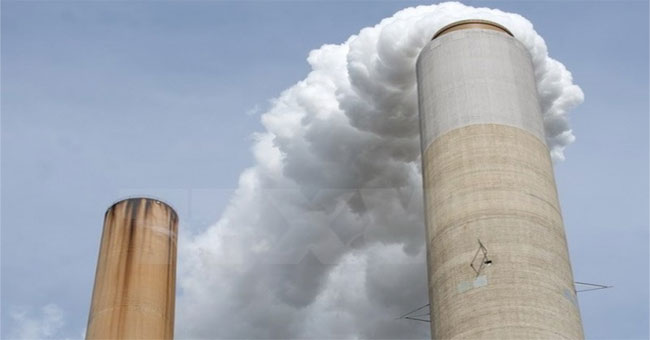
NASA discovered a strong increase in carbon emissions in the winter
The findings were obtained through data from the Carbon 2 Observation Satellite (OCO-2) launched by NASA in 2014.
Browse ScienceInfo articles and explainers related to Greenhouse Effect.
109 published items.
The findings were obtained through data from the Carbon 2 Observation Satellite (OCO-2) launched by NASA in 2014.
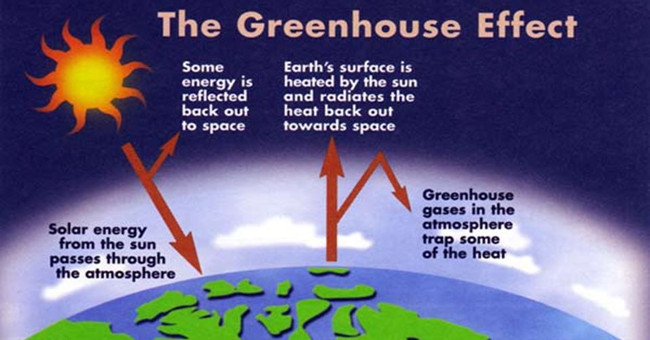
The greenhouse effect is the effect of warming the Earth's air due to the Sun's shortwave radiation passing through the atmosphere to the ground; The hot absorbing groun…
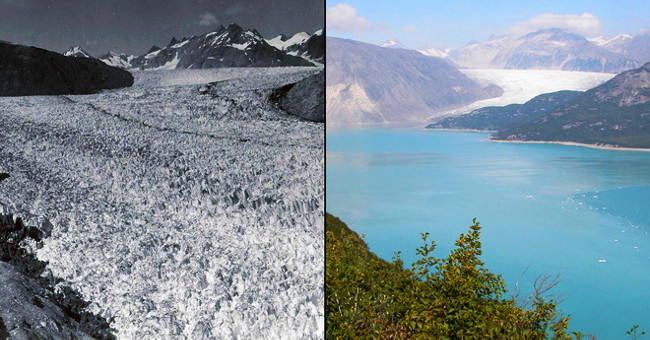
Beyond the time limit, but nothing has changed, the Earth's climate will be permanently irreversible. Act now, before it's too late.
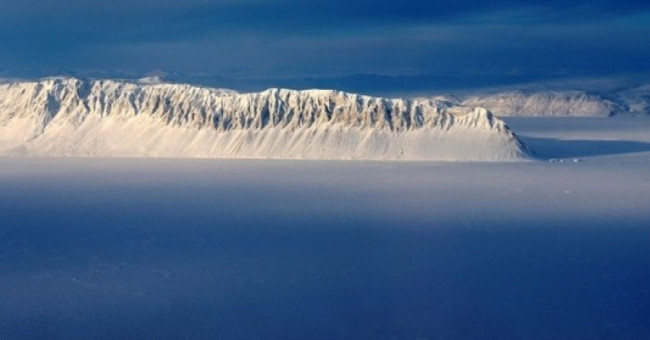
Natural changes in the Pacific may be responsible for half of the ice melting in the Arctic in recent decades.

Dams and reservoirs that supply water for hydroelectricity are a huge source of greenhouse gases.
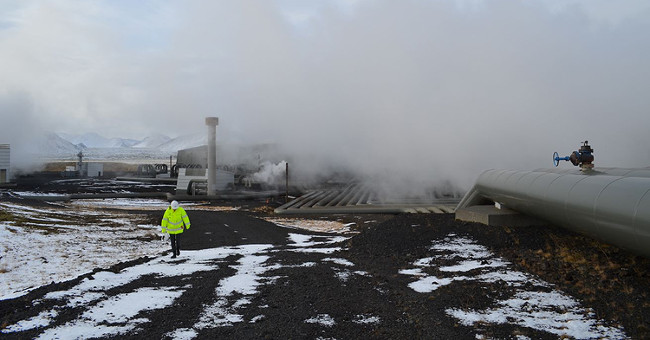
An international team of scientists has successfully pumped carbon dioxide (CO2) deep underground and turned this toxic gas into stone.
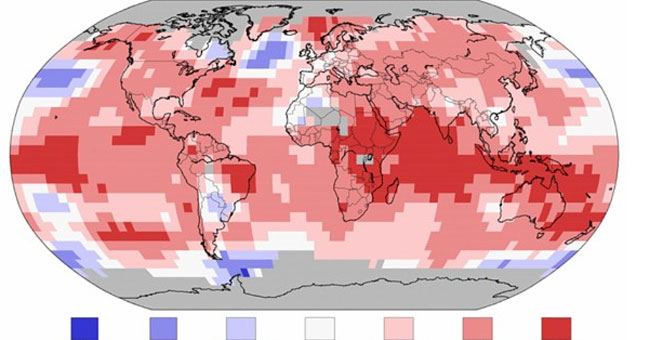
Many meteorological agencies around the world warn that 2016 will continue to break the record and become the hottest year in history.

A strong greenhouse effect can make the planet too dry, detrimental to life development.

Rising temperatures, melting ice, rising sea levels in the near future are just a part of the greenhouse effect. It can bend rails, change the circadian rhythm
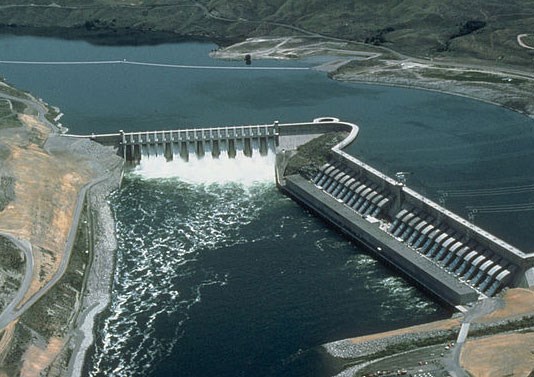
According to research results published on July 1 in the US journal PLOS ONE, hydroelectric dams can kill up to 70% of wild animals living in the neighborhood.

A mysterious crack has appeared in China that people fear and call it
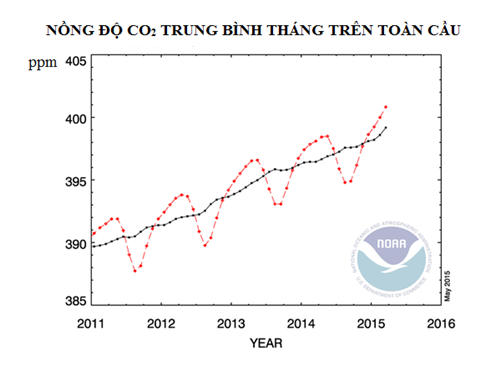
The global average CO2 concentration has exceeded 400 parts per million (ppm), something that has never happened in the last two million years.
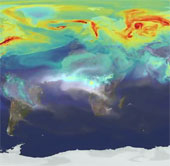
A new video from the US Aeronautics Agency (NASA) described the process of causing greenhouse gas CO2 to spread throughout the world over a one-year cycle.

In 2013, atmospheric carbon dioxide emissions increased at the highest level in nearly 30 years, according to the World Meteorological Organization (WMO).

Recent research shows that increasing the amount of CO2 in the air significantly affects crop productivity.